

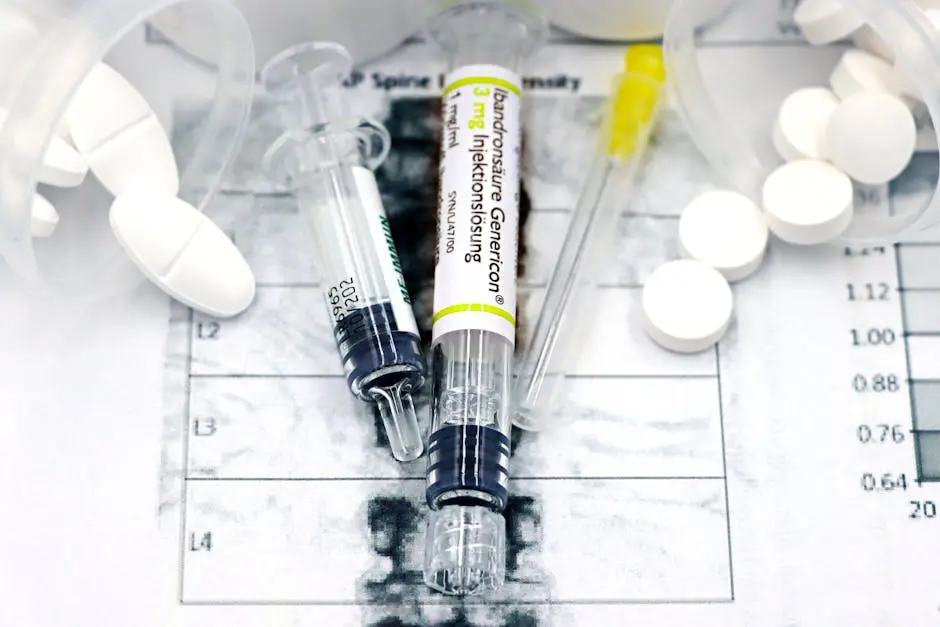
Starting testosterone therapy can be a life-changing decision. Whether you’re considering it for medical reasons or to enhance your quality of life, it’s important to gather all the relevant information before making a commitment. This guide will navigate you through essential aspects of testosterone therapy, from understanding its purposes to what to expect during treatment.
Understand the Benefits of Testosterone Therapy
Testosterone therapy can improve energy levels, mood, and overall physical health. It’s important to understand how these benefits relate to your personal health goals.
One significant advantage of testosterone therapy is its potential to enhance your mood. Many individuals report a greater sense of well-being and reduced feelings of anxiety. These psychological benefits contribute to an enriched quality of life, making it a compelling option for those experiencing low testosterone levels.
In addition to mood improvements, testosterone therapy can support muscle mass and bone density. This means that for those struggling with age-related muscle loss, testosterone can be a powerful ally. It helps restore strength that may have decreased over the years, facilitating a more active, fulfilling lifestyle.
Furthermore, testosterone therapy may also lead to improved cognitive function. Studies suggest that adequate testosterone levels positively influence memory and concentration. Thus, starting testosterone therapy might not only benefit your physical health but also sharpen your mind.
Consult with Your Doctor
The first step is to discuss your symptoms and health history with your doctor. They can help determine if testosterone therapy is appropriate for you.
During this consultation, it’s crucial to be open and honest about your feelings and any troubles you’re experiencing. This dialogue will help your doctor make a well-informed decision tailored to your specific needs.
Your doctor may also perform blood tests to measure your testosterone levels accurately. This testing is essential because it offers a clearer picture of your hormonal status and helps evaluate the necessity of therapy. Remember, having an informed discussion sets the foundation for your treatment journey.
Do not hesitate to ask any questions during your appointment. Understanding the implications of testosterone therapy and its expected outcomes is vital for your confidence and peace of mind as you make this decision.
Know the Different Forms of Testosterone Therapy
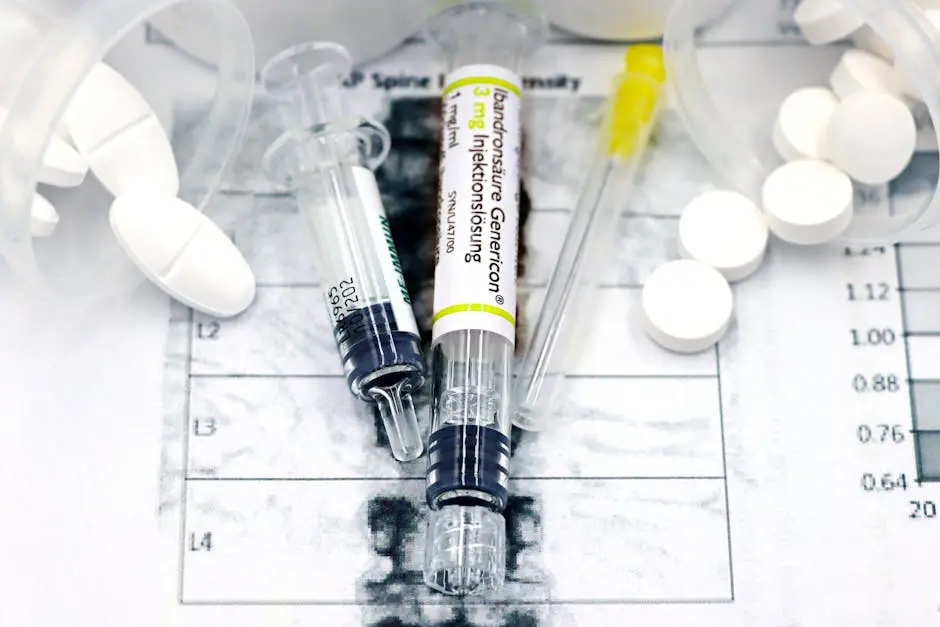
Testosterone therapy comes in various forms, including injections, patches, and gels. Understanding each form allows you to choose what might work best for your lifestyle.
Injections, typically administered every one to two weeks, can provide rapid results but may require more frequent visits to your healthcare provider. This form might suit those who prefer a monitored approach to their therapy.
Patches offer a convenient way for daily hormone delivery. Simply apply one to your skin, and it will release testosterone steadily throughout the day. This method can be especially beneficial for those who dislike needles or prefer a more passive approach.
Gels are another popular option, allowing for easy application at home. They’re absorbed through the skin but can take longer to show results compared to injections. These options provide flexibility, making it easier for individuals to stick with their therapy.
Be Aware of Potential Side Effects
All therapies come with potential side effects. It’s crucial to be informed about what to monitor as you start your treatment.
Some common side effects may include increased acne, changes in mood, or sleep apnea. Being aware of these risks helps you communicate effectively with your healthcare provider if you notice any unusual symptoms.
In addition, some individuals may experience weight gain or fluid retention. Keeping track of your body’s changes is essential during therapy, and regular communication with your physician can help manage these symptoms.
Another concern is the potential impact on cardiovascular health. Although studies show mixed results, it’s vital to engage in ongoing monitoring, especially if you have pre-existing conditions.
Monitor Your Progress Regularly
Regular check-ins with your healthcare provider will help assess how the therapy is working for you and adjust as necessary.
These visits typically involve tracking your testosterone levels, reviewing potential side effects, and discussing your overall well-being. This ongoing assessment is crucial to ensure your therapy remains effective and safe.
Additionally, it’s essential to take note of both physical and emotional changes. Many individuals see substantial quality-of-life improvements, but it’s important to share your experiences with your provider to better tailor the treatment.
Overall, being proactive about your health and maintaining communication with your healthcare team will empower you to embark on this transformative journey with confidence.
Conclusion
In conclusion, starting testosterone therapy is a significant step that requires careful consideration and open communication with healthcare providers. By being well-informed and understanding what to expect, you can make the best decision for your health and wellbeing.
At Zulu Medical Cosmetics, conveniently located in Calgary, we specialize in cutting-edge treatments that support your holistic health journey. Whether you’re considering testosterone therapy or looking into iv drip therapy Calgary residents trust, our expert team is here to guide you. We also offer tailored solutions for medical weight loss Calgary patients find effective in achieving their health goals. Visit us at 324 58 Ave SE #1110 to explore how our professional services can enhance your well-being.