


Platelet-rich plasma (PRP) injections have been gaining popularity in various medical fields, from orthopedics to aesthetics. While many people have experienced positive results, safety is always a primary concern. In this blog, we’ll explore the essential aspects of PRP injections to help you determine if they are safe for you.
Understanding PRP Injections
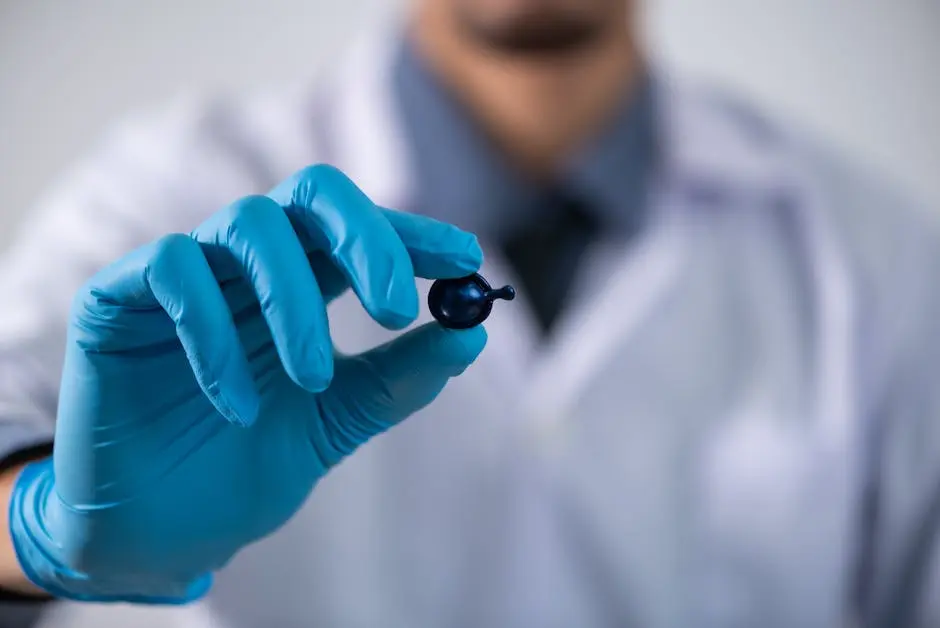
PRP injections involve drawing a small amount of blood from the patient, processing it to concentrate the platelets, and then injecting this concentrated solution back into the body to promote healing.
The entire process is fairly quick and can be performed in an outpatient setting, that is, where the patient does not require hospitalization. After blood is drawn, the sample is placed in a centrifuge. This device spins the blood at high speeds, separating the platelets from other components. Once isolated, the platelets, which are rich in growth factors, can stimulate healing when injected into the affected areas.
It’s important to note that PRP is derived from your own body, which significantly reduces the risks of allergic reactions or complications. This natural aspect makes many people feel more comfortable with the idea of receiving PRP injections, knowing that their body is not rejecting a foreign substance.
Who May Benefit from PRP Therapy?
PRP injections can be beneficial for patients with joint pain, sports injuries, or those seeking facial rejuvenation. Understanding your specific needs can help clarify if you are a good candidate.
For athletes or individuals recovering from injuries, PRP can accelerate healing and improve functionality. Conditions like osteoarthritis and tendon injuries often see positive outcomes through this treatment. Additionally, in the realm of aesthetics, PRP injections are popular for skin rejuvenation and hair restoration. Many patients report increased collagen production and hair growth post-treatment.
However, not everyone is an ideal candidate. Factors such as age, lifestyle, and health conditions can influence the effectiveness of PRP therapy. A consultation with a healthcare provider is crucial to assess whether PRP is the right choice for you.
Potential Risks and Side Effects
While generally safe, potential risks include infection, allergic reactions, or temporary discomfort at the injection site. It’s important to be aware of these factors before proceeding.
Some patients may experience minor side effects, such as swelling, tenderness, or bruising around the injection area. These effects are usually temporary and resolve within a few days. Serious complications are rare, but they can occur. This is why it’s vital to choose a reputable practitioner trained in the procedure.
Moreover, individuals with certain conditions such as blood disorders, infections, or who are on anticoagulants should consult their doctor before considering PRP. Each patient’s medical history is unique, and understanding those nuances is crucial in determining safety.
Consulting with Professionals
Before getting PRP injections, schedule a consultation with a qualified healthcare provider to discuss your medical history and any concerns. They can help you make an informed decision.
During this consultation, it’s essential to be open about all medications you are taking and any past medical issues. A responsible practitioner will assess whether you have any underlying health issues that might affect your treatment.
It’s not just about confirming eligibility; it’s also about setting realistic expectations. PRP treatments can provide significant relief and improvements, but results can vary. Having an open line of communication with your healthcare provider can help maintain a clear understanding of what the treatment can offer.
Conclusion on Safety Considerations
Understanding the safety of PRP injections is essential. As we’ve discussed, they can be safe for most people, but individual factors must be considered to ensure the best outcomes.
When approached responsibly and with the guidance of professionals, PRP injections offer a promising avenue for healing and rejuvenation. The process is relatively straightforward and utilizes your body’s natural healing capabilities, reducing the risk of adverse reactions.
Ultimately, if you’re considering PRP injections, stay informed and seek thorough consultations. Your health and safety should always be the topmost priority when exploring new treatments.
Final Thoughts on PRP Injection Safety
In summary, PRP injections are generally considered safe for most individuals, but there are certain factors to consider. Always consult with a healthcare professional to ensure that this treatment is right for you based on your specific health conditions and medical history. Remember, everyone’s body responds differently, so it’s crucial to obtain personalized advice.